Solution
More Than 20 Professional Technicians Service for You
Since 2026, extreme weather events have swept across the globe with growing frequency.
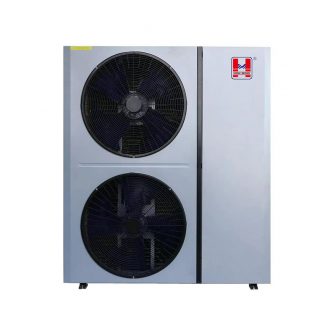
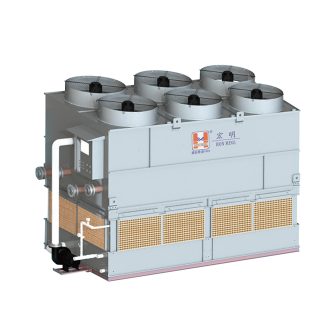
Faced with extreme weather, critical facilities including cooling towers and central air conditioning units face severe threats to stable operation. As a domestic brand with over 30 years of industry expertise, HON MING adheres to the corporate philosophy of "Sincerity, Intelligence & Simplicity; Prudent Start, Perfect End", delivering full-lifecycle protection solutions covering equipment selection, installation, operation and maintenance for all clients.
High Temperature & High Humidity
Under sweltering sauna-like weather with near-saturated air humidity, cooling towers suffer drastically reduced heat dissipation efficiency and soaring outlet water temperatures. This elevates the condensing pressure of main units, slashing cooling efficiency. In severe cases, high-pressure protection will activate, and centrifugal chillers may experience surge damage.
Research indicates that sudden high-temperature and high-humidity weather can push cooling tower outlet water temperature up by over 12°C within a short time, triggering violent fluctuations in system load.
Severe Typhoons
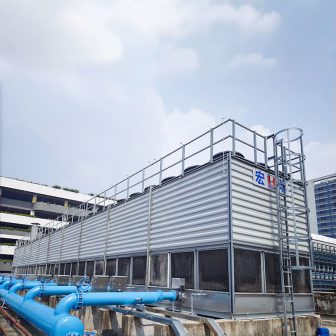
Strong winds disrupt the internal airflow distribution of cooling towers and degrade heat dissipation performance. Worse still, typhoons may tear loose unfastened tower fill materials, blow off fan blades, or even damage the overall tower structure.
When wind speed exceeds 16m/s, internal vortexes will form inside the tower; at wind force level 12 or above, reverse wind rotation of fans may burn out driving motors.
Extreme Cold & Freezing
When winter temperatures drop below freezing, residual water trapped in cooling towers or pipelines expands upon freezing, directly cracking coil pipes, valves and pipelines. This ranks as the most common equipment failure in northern regions during winter.
Thunderstorms & Floods
Lightning strikes may break through control systems. If rainwater floods equipment rooms or submerges outdoor unit foundations, electrical control cabinets and water pump motors will be soaked, leading to short circuits or complete burnout of control systems. Rainwater entering cooling water circuits also carries sediment and debris that clog condenser tube bundles.
High Salinity & Humidity (Coastal Areas)
Coastal air contains heavy salt mist that continuously corrodes metal components of equipment, accelerating aging and structural strength degradation. To tackle this issue, HON MING adopts corrosion-resistant materials such as magnesium-aluminum-zinc coated steel and stainless steel for all product components.
Emergency Operation Guidelines During Extreme Weather
After Typhoon / Heavy Rainstorm Warnings Are Issued
1.Pre-shutdown: Proactively power off outdoor units and close water pipeline valves before severe wind and rain arrive to prevent rainwater backflow.
2.Power cut-off: Immediately disconnect the main power supply once floodwater threatens to submerge equipment foundations. Never leave energized equipment immersed in water.
3.Physical Reinforcement: Secure tower bodies with steel wire ropes, clear loose surrounding debris to avoid secondary hazards caused by wind-blown flying objects.
HON MING Solutions: Build a Solid Safety Barrier for Your Equipment
1.Scientific Site Selection & Foundation Design
Avoid installing cooling towers in low-lying flood-prone zones. The bottom of water collection trays must sit 300mm above rooftops or ground levels to stop rainwater backflow. Custom wind and rain-proof louvers fitted at air inlets deliver over 90% rain shielding efficiency.
2.Structural Reinforcement & Electrical Protection
Prior to typhoon landfall, fasten cooling tower supports, lock fan blades and inspect base bolts to prevent structural deformation or collapse under strong winds. All electrical devices including control cabinets and pumps shall be elevated above historical peak flood levels. Check the integrity of grounding systems and surge protection devices (SPDs).
3.Drainage & Anti-freezing Measures
Ensure unobstructed drainage around cooling towers, and install air breaks on drain pipes to block sewage backflow. For equipment out of service through winter, fully drain all residual water from pipelines and water trays, or install electric heat tracing belts plus thermal insulation layers.
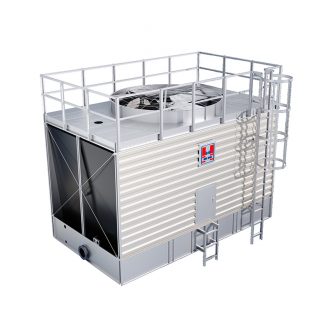
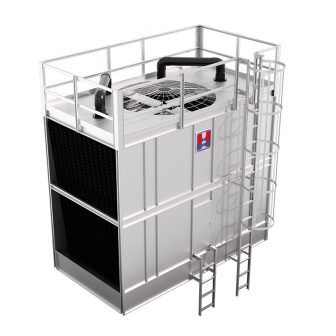
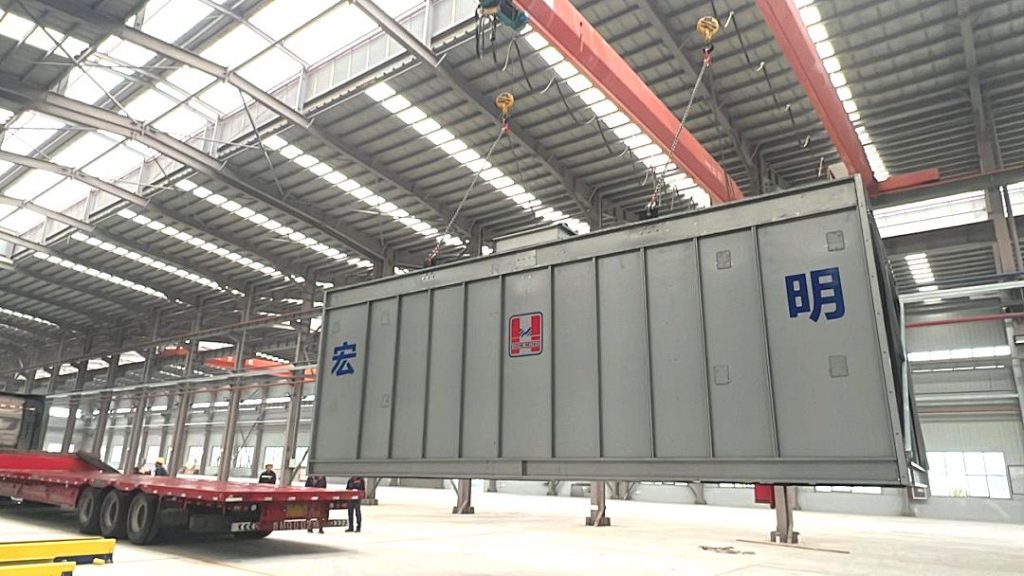
HON MING cooling towers support modular pre-assembled delivery. On-site installation time is shortened from the traditional 10–15 days to just 2 days, minimizing construction disruptions caused by adverse weather and ensuring equipment installation or maintenance completion before harsh weather strikes.
Post-Disaster Inspection: Do Not Power On Equipment Blindly
Central air conditioning and cooling towers must never be energized right after typhoons or floods. Follow these three steps to guarantee equipment safety:
1.Drainage & Drying: Pump out all floodwater from equipment rooms and cooling towers, fully air-dry electrical components, and test line insulation resistance to rule out short-circuit risks.
2.Cleaning & Flushing: Rinse cooling tower fill media, water collection trays and condenser tube bundles to remove sediment and debris, preventing blockages and corrosion.
4.Electrical Inspection & Trial Run: Eliminate moisture inside control cabinets, calibrate sensors and replace damaged wiring terminals. Conduct a 2-hour full-unit trial run; switch to full-load operation only after pressure, current, temperature and all other parameters return to normal.
Special Reminder: If Legionella bacteria are detected in cooling/condenser water, or excessive dust and bacteria accumulate on air duct inner surfaces, thorough cleaning and disinfection must be carried out in compliance with industry standards.
HON MING Intelligent Circulating Water Treatment System leverages high-precision sensors and cloud intelligent control platforms to deliver 24/7 online monitoring and automatic adjustment of circulating water quality. Following heavy rainstorms, the system intelligently detects sudden water quality changes and automatically adjusts chemical dosing and drainage schedules. No on-site manual operation in hazardous weather is required, effectively eliminating risks of scaling, corrosion and microbial growth. The synergy of chemical treatment, physical filtration and intelligent control maintains optimal performance of the entire cooling system amid extreme weather, safeguarding equipment safety starting from water quality management.
HON MING: Your Trusted Safety Expert for Cooling Systems
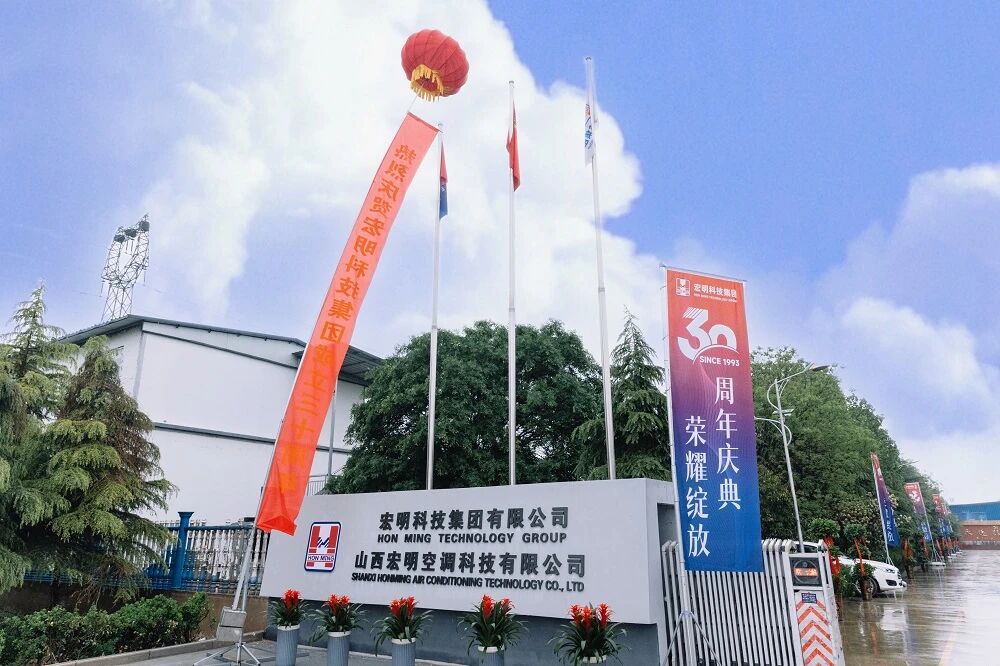
Founded in Hong Kong in 1993, HON MING is headquartered in Guangzhou with three intelligent manufacturing bases located in Foshan and Shanxi.
Extreme weather is unpredictable, yet full preparation is within our reach. Drawing on over 30 years of technical accumulation, HON MING stands by every client to safely weather all extreme weather seasons.
Contact us for equipment inspection, structural reinforcement renovation or post-disaster maintenance services.